Bonfire Night Celebrations

Statistically, homes with thatched roofs are no more likely to catch fire than those with conventional roofs; however, if a thatched roof does ignite, the results are rapid and devastating.  We would ask that residents do not have bonfires or set off any fireworks  in their gardens, as they pose a serious risk to the  thatched properties in the village. If you live under thatch, it is wise to be extra vigilant around November 5th and make frequent checks on your roof.  Chinese lanterns are of particular concern, as the potential for harm when they descend is catastrophic, with a number of thatch fires resulting from these lanterns. 

For further information and advice, contact your local fire safety officer.

The laws concerning fireworks

  • It is illegal for anyone under 18 to possess a firework in a public place.
  • Fireworks cannot be set off by a private individual between 11.00pm and 7.00am except for certain nights of the year.
  • It is an offence to cause any unnecessary suffering to any captive or domestic animal.

Fireworks and Animals

Recommendations from the Blue Cross:
Every year thousands of animals will suffer as a result of fireworks being let off. Blue Cross animal hospitals across the country see a marked rise in pets requiring medication during such stressful times, and many animals are brought into Blue Cross adoption centres having run away from home.

Animals have very acute hearing. Loud bangs and whistles may cause actual pain in their ears. But by following these simple guidelines your pet need not suffer.

Small pets
Rabbits, guinea pigs, hamsters, gerbils, mice, ferrets and birds all need to be treated with special care when fireworks are being let off. These animals are easily frightened. The Blue Cross advises that owners of such types of small animal should follow these precautions:

  • Hutches/cages and enclosures should, if possible, be brought into a quiet room indoors, or into a garage or shed.
  • Give your pet extra bedding to burrow into so it feels safe.
  • If you cannot bring your pet’s hutch inside, you should turn its enclosure around so that it faces a wall orfence instead of the open garden.
  • Cover any aviaries or hutches with thick blankets or a duvet to block out the sight of the fireworks and deaden the sound of the bangs, but make sure there is enough ventilation.

Dogs & cats

  • Always keep dogs and cats inside when fireworks are being let off.
  • Make sure your dog is walked earlier in the day before the fireworks start.
  • Close all windows and doors, and block off catflaps to stop pets escaping and to keep noise to a minimum. Draw the curtains, and if the animals are used to the sounds of TV or radio, switch them on (but not too loudly) in order to block out some of the noise of the fireworks.
  • Ensure dogs are wearing some form of easily readable identification (ID) – even in the house. They should have at least a collar and tag.
  • Think about fitting pets with a microchip, so that if they do run away they have a better chance of being quickly reunited with you.
  • Prepare a ‘den’ for your pet where it can feel safe and comfortable – perhaps under a bed with some of your old clothes. It may like to hide there when the fireworks start.
  • Let your pet pace around, whine, miaow and hide in a corner if it wants to. Do not try to coax it out – it’s just trying to find safety, so don’t disturb it.
  • Try not to cuddle and comfort distressed pets as they will think you are worried too, and this may make the problem worse. Instead stay relaxed, act normally and praise calm behaviour.
  • Avoid leaving your pet alone during such potentially upsetting events. If you do have to leave the house, don’t get angry with your pet if you find it has been destructive after being left on its own. Shouting at a frightened pet will only make it more stressed.
  • Don’t tie your dog up outside while fireworks are being let off, ie outside a shop while you pop inside, or leave it in the garden or in your car.
  • Never take your dog to a fireworks display.

Horses & ponies

  • Fireworks must not be set off near livestock or horses in fields, or close to buildings housing livestock. Anyone planning a firework display in a rural area should warn neighbouring farmers in advance.
  • Try to make sure that fireworks are never set off near your horse’s field or stable. Tell neighbours and local fireworks display organisers there are horses nearby, so that they can ensure fireworks are set off in the opposite direction and well away from them.
  • Keep your horse in its familiar environment, in its normal routine with any companions to make it feel secure. If your horse is usually stabled then keep it stabled. If it is normally out in the field, keep it there as long as it is safe, secure and not near the fireworks display area.
  • Ensure that you or someone experienced stays with your horse if you know fireworks are being set off. This way you can observe its behaviour, ensure it remains as safe and calm as possible and respond to its reactions appropriately.
  • If you know your horse reacts badly to loud noises speak to your vet or perhaps consider moving your horse for the night.
  • Try to remain calm and positive as horses can sense unease in a person and this might make things worse if the horse is startled.
  • Be careful yourself. Try not to get in the way if your horse becomes startled as you may get hurt.
  • Chinese lanterns are known to cause terrible injuries and the deaths of horses and other livestock. As there is no way of controlling where they go and where they land, the advice to horse owners is to be vigilant and to ensure you check your fields and hedgerows for these lanterns.


Waste Wise


waste wiseTest Valley Borough Council has launched a brand new campaign called WasteWise to gather feedback from residents about waste and recycling in the borough.

Across Test Valley the recycling rate is only 32 per cent, and the Council would like to find out why that is and what it can do to help residents to recycle more. TVBC is running the WasteWise project in conjunction with a digital research company called ResearchBods, and is asking people to sign up to an online community, where residents will be able to give their feedback on waste and recycling by taking part in a range of online activities. And anyone who signs up will be in with a chance of winning some great prizes!

Residents have until 27 September to sign up to the project at wastewise.ex-plor.com. The online community will then run for four weeks from 28 September to 23 October 2015. The feedback from residents will be used by the Council to help improve its services.

Sign up and have your say on local services. 

Verges in Monxton

There’s recently been an article on the BBC website about roadside verges being the “last refuge for wild flowers”. (6 June 2015). Read the full article below or click the link.

Would you like to see more wild flowers on the verges in Monxton, or would you prefer them to be cut? If cut, then the grass cuttings should be removed. Or should the verges be cut once the cow parsley has finished flowering? Or should we just keep control of the nettles? We live in a Conservation Area – surely this should also be for conserving our environment? Your thoughts would be appreciated?

http://www.bbc.co.uk/news/science-environment-33029385

More than 700 species of wild plants – almost half of the native flora of the British Isles – are found on road verges, according to a study. 

Many plants once found in meadows now only thrive beside roads, where they provide essential habitat for insects, says charity Plantlife.

But it says one in 10 of the plants is at risk of extinction, in part because councils cut verges too early.

Local authorities say shorter verges are safer for drivers and pedestrians.

Dr Trevor Dines, botanical specialist for the charity, said more than 97% of meadows had been destroyed in England since the 1930s, with road verges becoming the last stretches of natural habitat for wildlife such as bees and other insects.

Cow parsley
Road verges can be a haven for wild plants like cow parsley

“Most of our farmland is now hostile to many of our wild plants and other wildlife due to the loss of wild flower meadows and the use of herbicides and fertilisers,” he told BBC News.

“The roadside verges are often the last refuge for wild flowers and the wildlife there depends on them.

“It’s almost as if plants have been squeezed out of farmland and now they’re being squeezed out of road verges from bad management.”

The Local Government Association has said keeping road verges well-maintained means motorists have a good line of sight and allows pedestrians to walk more safely alongside busy roads.

Full flower

Bluebells
Around one in ten of these wild plants is threatened with extinction

Plantlife International says road verges are of particular importance to rare plants such as Deptford pink, tower mustard and spiked rampion.

They also act as wildlife corridors and provide pollen and nectar for bees, butterflies and moths.

The wild plant conservation charity says many of Britain’s road verges are being cut down in full flower threatening the wildflowers and the wildlife that depends on them.

It is calling on members of the public to sign a petition urging councils to do more to enhance the wildlife value of road verges.

Its management principles for road verges include:

  • Allowing plants to complete their full life cycle, ie to grow, flower and set seed
  • Removing grass cuttings
  • Allowing flowers to return over time as they spread naturally.

Dr Dines added: “If we just give them a chance, wildflowers can return.”

Amport & Monxton Footpath Maps

Footpath map coverHopefully everyone in Amport & Monxton will have received the new Amport & Monxton Map of Walks through your door this week. It has been compiled and published by the Amport & Monxton Community Charity and shows seven local walks of varying length around the parishes.

There are detailed directions and points of interest to note on each route – with more details available online.

The Map is available to purchase in both The Hawk and The Black Swan pubs at £1, but a copy has also been given to each household in Amport & Monxton. There will be additional copies for sale at the Mucky Duck Race on 24 May as well.

Litter in Monxton

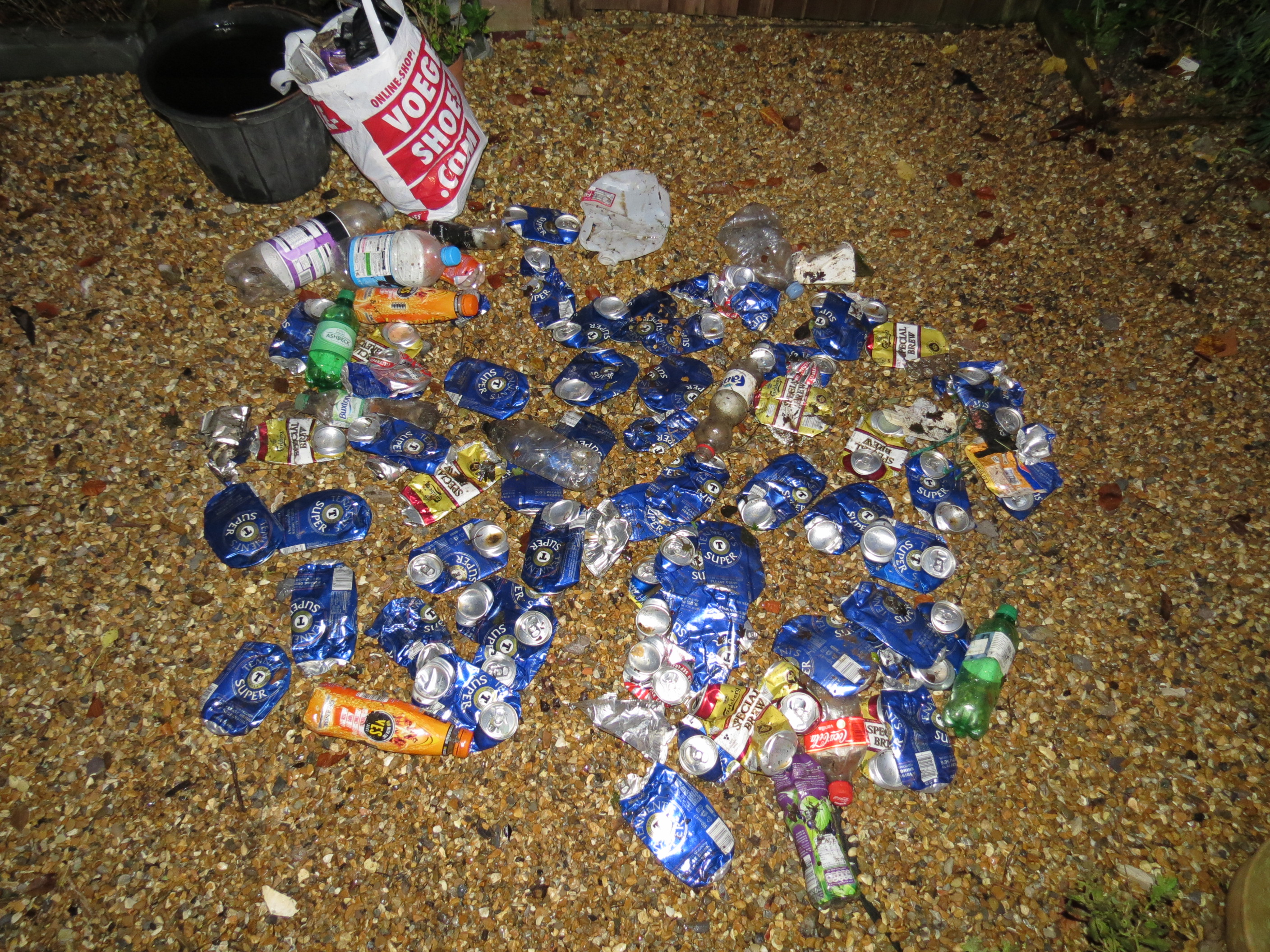
This afternoon we walked along Broad Road collecting rubbish. We had only walked from the railway bridge to Pegasus Riding School before our bags were full. We had one bag for general rubbish (top of photo) and another, larger bag for cans and plastics, so they can be recycled.

All this just from a few hundred metres. It’s virtually all Tenants lager cans, so probably just one or two low-life scumbags who think they can litter freely. Disgusting.

We shall be out again tomorrow to finish off in Broad Road. But it would be lovely if any other villagers fancy combining a walk with some civic duty and litter pick around our parishes.

If only we could name and shame the perpetrators! If you do see anyone throwing litter (anywhere, not just Monxton) please report it in the comments section and to TVBC.

IMG_9775


Section 87 and 88 of the Environmental Protection Act (1990) states that if a person drops, throws, deposits or leaves anything so as to cause defacement in any land open to the air, they could be committing a littering offence. Litter includes all smoking, drinking and food related waste including cigarette butts and chewing gum.

Test Valley Borough Council has a zero tolerance approach to littering.

The Environmental Service Enforcement Team patrol throughout the whole Borough and will issue a Fixed Penalty Notice to anyone caught littering.

The Fixed Penalty Notice is £80 (or £50 if paid within 7 days).

Failure to pay will result in prosecution which may lead to a fine of up to £2500.

Fly Tipping

‘Fly tipping’ or ‘dumping’ are the common terms used to describe the illegal deposit of waste onto land.

It is an offence under the Environmental Protection Act (1990) to fly tip any material.

The TVBC Environmental Service investigates all reports of fly tipping and will remove fly tipped waste from public land. Fly tipped waste on public land will be removed within 2 to 5 working days, depending on its size, accessibility and waste type. By removing fly tipped waste we will not only be protecting our local environment, but we will be improving the quality of life for many residents and increasing pride in the community.

If you find some fly tipped waste, please be aware that some waste is dangerous – do not touch anything, including opening any black bags or containers.

It is important to remember that fly tippers are committing a crime and they do not want to be caught. Some fly tippers may become violent so do not approach them.

To report a fly tip please contact TVBC Customer Services 0n 01264 368000 or use the online form on the TVBC website and please include as much information as you can.


Fireworks & Bonfire Night

Statistically, homes with thatched roofs are no more likely to catch fire than those with conventional roofs; however, if a thatched roof does ignite, the results are rapid and devastating.  We would ask that residents do not have bonfires or set off any fireworks  in their gardens, as they pose a serious risk to the  thatched properties in the village. If you live under thatch, it is wise to be extra vigilant around November 5th and make frequent checks on your roof.  Chinese lanterns are of particular concern, as the potential for harm when they descend is catastrophic, with a number of thatch fires resulting from these lanterns. 

For further information and advice, contact your local fire safety officer.

The laws concerning fireworks

  • It is illegal for anyone under 18 to possess a firework in a public place.
  • Fireworks cannot be set off by a private individual between 11.00pm and 7.00am except for certain nights of the year.
  • It is an offence to cause any unnecessary suffering to any captive or domestic animal.

Fireworks and Animals

Recommendations from the Blue Cross:
Every year thousands of animals will suffer as a result of fireworks being let off. Blue Cross animal hospitals across the country see a marked rise in pets requiring medication during such stressful times, and many animals are brought into Blue Cross adoption centres having run away from home.

Animals have very acute hearing. Loud bangs and whistles may cause actual pain in their ears. But by following these simple guidelines your pet need not suffer.

Small pets
Rabbits, guinea pigs, hamsters, gerbils, mice, ferrets and birds all need to be treated with special care when fireworks are being let off. These animals are easily frightened. The Blue Cross advises that owners of such types of small animal should follow these precautions:

  • Hutches/cages and enclosures should, if possible, be brought into a quiet room indoors, or into a garage or shed.
  • Give your pet extra bedding to burrow into so it feels safe.
  • If you cannot bring your pet’s hutch inside, you should turn its enclosure around so that it faces a wall orfence instead of the open garden.
  • Cover any aviaries or hutches with thick blankets or a duvet to block out the sight of the fireworks and deaden the sound of the bangs, but make sure there is enough ventilation.

Dogs & cats

  • Always keep dogs and cats inside when fireworks are being let off.
  • Make sure your dog is walked earlier in the day before the fireworks start.
  • Close all windows and doors, and block off catflaps to stop pets escaping and to keep noise to a minimum. Draw the curtains, and if the animals are used to the sounds of TV or radio, switch them on (but not too loudly) in order to block out some of the noise of the fireworks.
  • Ensure dogs are wearing some form of easily readable identification (ID) – even in the house. They should have at least a collar and tag.
  • Think about fitting pets with a microchip, so that if they do run away they have a better chance of being quickly reunited with you.
  • Prepare a ‘den’ for your pet where it can feel safe and comfortable – perhaps under a bed with some of your old clothes. It may like to hide there when the fireworks start.
  • Let your pet pace around, whine, miaow and hide in a corner if it wants to. Do not try to coax it out – it’s just trying to find safety, so don’t disturb it.
  • Try not to cuddle and comfort distressed pets as they will think you are worried too, and this may make the problem worse. Instead stay relaxed, act normally and praise calm behaviour.
  • Avoid leaving your pet alone during such potentially upsetting events. If you do have to leave the house, don’t get angry with your pet if you find it has been destructive after being left on its own. Shouting at a frightened pet will only make it more stressed.
  • Don’t tie your dog up outside while fireworks are being let off, ie outside a shop while you pop inside, or leave it in the garden or in your car.
  • Never take your dog to a fireworks display.

Horses & ponies

  • Fireworks must not be set off near livestock or horses in fields, or close to buildings housing livestock. Anyone planning a firework display in a rural area should warn neighbouring farmers in advance.
  • Try to make sure that fireworks are never set off near your horse’s field or stable. Tell neighbours and local fireworks display organisers there are horses nearby, so that they can ensure fireworks are set off in the opposite direction and well away from them.
  • Keep your horse in its familiar environment, in its normal routine with any companions to make it feel secure. If your horse is usually stabled then keep it stabled. If it is normally out in the field, keep it there as long as it is safe, secure and not near the fireworks display area.
  • Ensure that you or someone experienced stays with your horse if you know fireworks are being set off. This way you can observe its behaviour, ensure it remains as safe and calm as possible and respond to its reactions appropriately.
  • If you know your horse reacts badly to loud noises speak to your vet or perhaps consider moving your horse for the night.
  • Try to remain calm and positive as horses can sense unease in a person and this might make things worse if the horse is startled.
  • Be careful yourself. Try not to get in the way if your horse becomes startled as you may get hurt.
  • Chinese lanterns are known to cause terrible injuries and the deaths of horses and other livestock. As there is no way of controlling where they go and where they land, the advice to horse owners is to be vigilant and to ensure you check your fields and hedgerows for these lanterns.
 

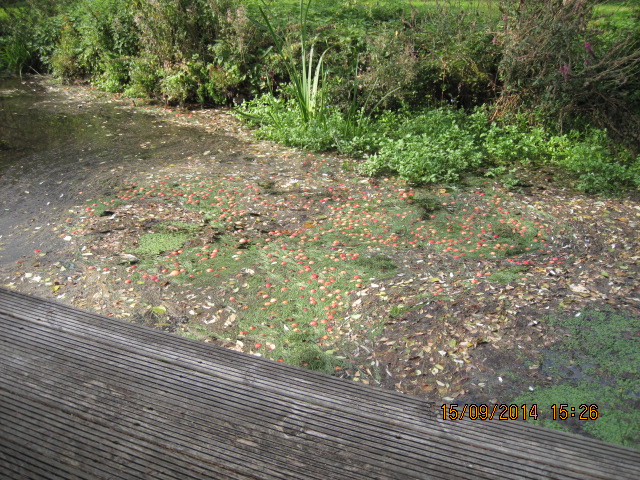
Grass clippings in the river

There have been two recent reports of a household dumping their grass clippings in the mill race of Pillhill Brook. These clippings are clogging up the water, rotting and making it difficult for fish and aquatic life to thrive. There have also been lots of crab apples mixed with one lot of clippings.

So please ensure that no garden waste, or waste of any sort, is ever put in the river or any waterways. Please dispose of your waste responsibly. Thanks

Grass cuttings and crab apples littering the mill race.

Grass cuttings and crab apples littering the mill race.

Nelsons Lorries – working hours extensions

Nelson Plant Hire Application No: 14/01527/CMAN

VARIATION OF CONDITION 3 (operating hours) of planning permission 11/02569/CMAN for an increase in hours to start from 6am to 6pm to include Saturdays and between 6am to 1pm on Bank Holidays.

The deadline for comments is now 1st August 2014 to Hampshire County Council (not TVBC).

This planning application has been deferred from the 16th July 2014 Regulatory Committee and it will now be considered at the 17th September 2014 Regulatory Committee.

If you wish to comment details are on www.hants.gov.uk/county-planning.  You can do so by email to planning@hants.gov.uk  and copy to the case officer, Kristina King at kristina.king@hants.gov.uk or in writing to her at:

County Planning
Economy, Transport and Environment
Hampshire County Council
Elizabeth II Court West
Winchester
Hampshire SO23 8UD

Do also copy in Cllr Pat West (patricia.west90@gmail.com) and Cllr Ben Few-Brown (bfewbrown@googlemail.com), if you wish.

We have compiled a template letter for everyone to use. Please download the Letter of Objection Nelsons Operating hours and add you own comments if you wish. Don’t forget to add your own name and address to the letter too!

PLEASE ENSURE YOU SEND YOUR EMAIL BEFORE FRIDAY 1ST AUGUST 2014